
What Counts as a High-Traffic Institutional Environment? 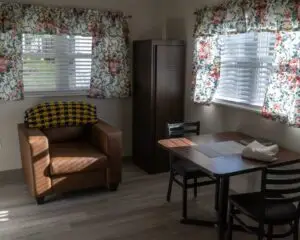
Institutional spaces that serve a revolving door of occupants share a few common traits: high-impact use, frequent reconfiguration, and an ongoing need for sanitation. These places aren’t just busy; they’re intense.
Consider these high-demand settings:
- Residence hall furniture must withstand years of student turnover, impromptu rearrangements, and the occasional bump or spill.
- Furniture for healthcare facilities needs to meet clinical cleanability standards while supporting both staff efficiency and patient comfort.
- Secure environments, such as correctional or behavioral health facilities, require structural integrity that supports safety without sacrificing usability.
- Durable office furniture for high-traffic workplaces is essential for administrative areas where desks and chairs see round-the-clock use.
Key takeaway: Environments with heavy foot traffic and constant use demand furniture that’s purpose-built to hold up — structurally, aesthetically, and functionally.
What Makes Institutional Furniture Truly Durable?
Durability doesn’t happen by accident. It’s engineered from the ground up.
High-performance institutional furniture is designed differently than what you’d find in a home or standard office. Key engineering elements include:
- Reinforced internal frames that absorb stress over time
- Load-bearing capacities that exceed typical commercial ratings
- Secure fasteners and connection systems that prevent wobble or separation under strain
This kind of design isn’t just about longevity. It’s about maintaining performance through every move, every spill, and every cleaning cycle.
Key takeaway: Institutional furniture must be structurally engineered for strength because frequent use shouldn’t lead to frequent failure.
Strong Joinery Means Fewer Breaks and Safer Spaces
The hidden strength in any long-lasting piece of furniture lies in its joinery. Reinforced joints and stabilized corners prevent flex under pressure, which reduces the likelihood of cracks, splinters, or joint failure.
When furniture joints are weak, the inconvenience can quickly escalate into a safety concern. In high-traffic settings, compromised structure leads to injury risks, downtime, and emergency repairs.
Key takeaway: Reinforced joinery creates stability under pressure, helping institutions avoid safety hazards and replacement costs.
Built to Resist: The Role of Smart Materials
What your furniture is made from matters just as much as how it’s built. Effective heavy-duty furniture uses materials selected for resilience, including:
- Moisture-resistant woods and sealants
- Impact-tolerant plastics and metals
- Chemically stable components that resist deterioration from cleaning agents
In outdoor spaces, where exposure adds another layer of complexity, choosing the most durable outdoor furniture material can prevent warping, rust, or weather-related breakdowns. Options like powder-coated steel or rotationally molded polyethylene offer unmatched stability even in punishing conditions.
Key takeaway: Long-term strength starts with the right materials, chosen for resistance to moisture, impact, and institutional cleaning routines.
Why Finishes Matter More Than You Think
Even the strongest materials can underperform if finished poorly. In high-traffic environments, finishes are the first line of defense against wear.
Effective finishes:
- Resist scratches, chips, and stains
- Withstand frequent exposure to disinfectants and sanitizers
- Protect the underlying structure from moisture and impact
A well-finished piece of furniture won’t just look better longer; it will perform better longer. And for institutions, that visual resilience supports a perception of cleanliness and professionalism.
Key takeaway: Finishes play a critical role in extending the functional life of institutional furniture, far beyond their appearance.

Meeting the Needs of Healthcare, Residential, and Work Environments
Each type of institutional space has its own performance priorities:
- Furniture for healthcare facilities must support infection control without introducing harsh or porous surfaces.
- Residence hall furniture needs to be versatile and strong enough to handle frequent reconfigurations, all while remaining inviting to students.
- Durable office furniture for high-traffic workplaces must survive endless daily use without becoming wobbly, squeaky, or dated.
Despite these different needs, the common denominator is simple: each requires quality, long-wearing construction built to perform.
Key takeaway: High-use environments vary, but all benefit from furniture engineered for resilience, safety, and ease of maintenance.
Long-Term Value: The Real ROI of Durable Furniture
It’s tempting to focus on upfront cost when purchasing furniture for an institution. But cheaper options often cost more over time due to repairs, downtime, and replacements.
Well-built institutional furniture:
- Reduces replacement frequency
- Minimizes repair costs
- Eliminates disruption from unexpected breakdowns
Choosing higher-quality solutions ultimately lowers total cost of ownership and aligns with smart, long-term budgeting.
Lifecycle Cost Comparison: Disposable vs. Durable Furniture
| Factor | Low-Cost Furniture (5-Year Life) | Jess Crate Furniture (15-Year Life) |
| Initial Cost | $500 | $1,500 |
| Replacement Cycles (Over 15 Years) | 3 | 1 |
| Total Cost Over Time | $1,500 | $1,500 |
| Repair/Labor Costs | High (multiple incidents) | Low (minimal repairs) |
| Downtime/Disruptions | Frequent | Rare |
| Environmental Impact | High (multiple replacements) | Low (single long lifecycle) |
| Overall ROI | Lower (short lifespan) | Higher (long-term value) |
Key takeaway: Investing in durability saves money and stress by ensuring your first purchase doesn’t become the first of many.
Jess Crate Furniture: Built to Handle the Pressure 
At Jess Crate, we understand what institutional furniture is up against. Our products are crafted with:
- Reinforced joinery and frames to prevent collapse under pressure
- Materials selected for their resistance to wear, impact, and moisture
- Finishes that preserve appearance while allowing for easy cleaning
Whether outfitting a dormitory, a clinic, or a secure facility, we build every piece to survive the demands of daily institutional life. From handcrafted wooden beds to molded polyethylene seating, our catalog delivers proven performance in even the toughest environments.
Key takeaway: Jess Crate products are trusted in high-traffic institutions because they’re engineered to endure and built with care that shows.
Choosing Furniture That Keeps Up With You
Institutions don’t get days off. Neither should their furniture. With Jess Crate’s line of heavy-duty furniture, you get more than just strength. You gain a long-term partner in durability, value, and peace of mind.
When you invest in pieces designed for pressure and built to last, you’re not just solving a furniture problem. You’re making a smart, sustainable decision that pays off in every year of reliable use.
Explore Jess Crate’s full collection to find the right solutions for your facility — built for performance and backed by decades of experience.