
How Tailored Furniture Design Improves Functionality and Longevity
Key Takeaways:
- Tailored furniture maximizes space, safety, and functionality by adapting to real-world institutional needs.
- Custom materials and finishes improve durability, resisting heavy use and frequent cleaning.
- Purpose-built features like reinforced stress points and modular components extend furniture lifespan.
- Investing in custom furniture reduces long-term costs through fewer repairs, replacements, and disruptions.
Most institutions don’t have the luxury of easy spaces. Dorm rooms are tight, common areas do triple duty, and safety is nonnegotiable. That’s why more institutions are turning to long-lasting, customizable furniture that fits their environment, not the other way around. Unlike standardized options that often fall short in practice, tailored furniture design fits real institutional needs.
And when furniture is thoughtfully customized — by size, finish, and function — it not only works better, but also lasts longer.
What Does Tailored Furniture Design Actually Mean?
Tailored furniture design isn’t just about picking a color or adding a logo. It’s about shaping furniture to meet real-world needs, whether that’s adjusting dimensions to fit specific room layouts, selecting materials that hold up under constant use, or adding features that increase comfort, safety, or functionality.
Unlike generic institutional pieces, customizable furniture is built with your exact setting in mind. It accounts for space constraints, user behavior, cleaning routines, and even how traffic flows through a room — such as a bed with integrated storage for small dorms or seating designed to meet behavioral health safety standards.
→ Key takeaway: Tailored furniture design solves space, safety, and usability challenges by responding directly to how and where it’s used.
Functionality First: Why Design Should Match the Job 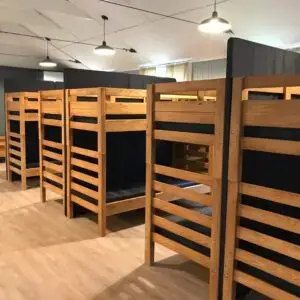
When dimensions are off, furniture becomes a problem. It clutters pathways, disrupts flow, or sits awkwardly in spaces meant for shared use. Tailored designs eliminatethose issues before they begin.
| Area of Improvement | How Tailored Furniture Helps |
| Workflow and Space Efficiency | Fits tight or high-traffic rooms without disrupting movement |
| Accessibility | Meets ADA requirements and reduces physical barriers |
| User Safety | Designed with secure edges, proper proportions, and anchor points |
It’s often these subtle adjustments — like a stronger joint or smarter handle — that make the biggest difference in day-to-day durability.
→ Key takeaway: Function-first design improves accessibility, safety, and space efficiency, preventing problems before they start.
The Right Materials Make All the Difference in Long-Lasting Furniture
A key ingredient in long-lasting furniture? Materials that can take a beating and still look good.
At Jess Crate, we use moisture-controlled southern yellow pine, heavy-duty steel, and high-impact molded components designed to withstand years of institutional use. But material is just the beginning. Finish matters, too.
Our products are finished with stains and lacquers that resist:
- Frequent cleaning agents
- Moisture and humidity
- Scuffs, chips, and dents
This is especially critical in healthcare, camps, and dorm settings where daily cleaning and heavy use are the norm.
→ Key takeaway: Durable materials and finishes are essential for furniture that can withstand institutional wear while maintaining its appearance.
Built to Last: Features That Extend Lifespan
Custom doesn’t just mean it fits. It means it holds up. When furniture is designed with your use case in mind, it’s easier to prevent failure before it happens.
Key features that support long-lasting use:
- Reinforced stress points built to endure consistent wear.
- Modular, replaceable components that reduce waste and cost over time.
- Convertible designs offer flexibility and prevent overuse.
→ Key takeaway: Tailored furniture is inherently more resilient because it’s designed to meet a specific challenge. That’s how durable institutional furniture earns its name.
Looking for rugged, dependable furniture that performs in the most demanding environments? Browse the Crate Collection for our toughest, most trusted designs.
Why Tailored Furniture Is a Smarter Investment 
Sure, off-the-shelf furniture might seem cheaper. But consider what you’re really buying: short lifespans, more replacements, more repairs, and higher maintenance costs. Custom furniture flips that script.
With tailored furniture design, institutions benefit from:
- Fewer replacements and repairs over time
- Reduced operational disruptions
- Predictable, long-term value from day one
Investment furniture is about spending wisely on solutions that won’t need replacing in two years. It’s cost-effective because it works better, lasts longer, and supports your day-to-day operations.
→ Key takeaway: Tailored furniture delivers better ROI by lowering replacement costs and boosting long-term performance.
Jess Crate’s Approach to Tailored, Durable Institutional Furniture
At Jess Crate, custom isn’t extra. It’s expected. Our team works directly with institutions to design and manufacture furniture that meets your space, standards, and users.
We offer:
- Custom sizing and modular configurations
- Finishes that align with brand identity or room design
- Products built for specific environments like student housing, firehouses, recovery centers, or secure facilities
Built for real-world demands, not showroom floors, our wood, metal, and molded collections deliver long-lasting furniture solutions for schools, camps, healthcare, and more.
→ Key takeaway: Jess Crate combines custom-fit options with heavy-duty construction to meet the specific demands of institutional use.
Where Customizable Furniture Proves Its Value
Across all sectors, customizable furniture creates better outcomes:
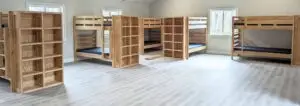
- In dorms, bunk beds with built-in storage reduce clutter and replacement rates.
- In camps, plastic and metal hybrids endure years of seasonal turnover.
- In behavioral health, ligature-resistant options keep users safe without sacrificing dignity.
- In corrections, tamper-proof designs ensure performance and safety day after day.
→ Key takeaway: Customized solutions across sectors deliver better performance, safer outcomes, and longer use in demanding environments.
Browse Jess Crate’s behavioral furniture line for durable, purpose-built options.
The Bigger Picture: Tailored Design Supports Strategy
Tailored furniture design isn’t a luxury. It’s a strategic asset. It helps optimize space, support safety, reduce risk, and align with long-term maintenance plans. It makes purchasing smarter and outcomes stronger.
When institutions build spaces with intention, furniture becomes part of that vision. And when it’s customized to fit the function, it becomes a tool for success. With Jess Crate, you get pieces designed for your space, your users, and your future.
Explore Jess Crate’s customizable furniture solutions and see what better-built really looks like.