
What Is Anti-Ligature Furniture? 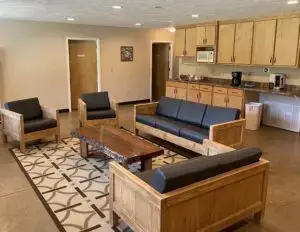
Anti-ligature furniture is engineered specifically to prevent individuals from using it as a means of self-harm. The term “ligature” refers to any item that can be tied or looped to create a noose-like restraint.
Furniture with exposed gaps, sharp edges, or accessible anchor points can become unintended hazards in high-risk settings. That’s why anti-ligature options are essential in high-risk settings, like behavioral, mental health, healthcare, rehabilitation, correctional, and detention centers.
But it’s not just about removing risk. True anti-ligature furniture supports safety without sacrificing usability. That balance is essential in environments where people live, recover, and rely on their surroundings for protection and support.
→ Key takeaway: Anti-ligature furniture reduces self-harm risks through thoughtful design, offering essential protection in high-risk institutional environments.
Key Design Principles Behind Anti-Ligature Furniture
Behind every piece of anti-ligature furniture is a deliberate set of engineering choices designed to reduce harm while maintaining comfort and function.
Typical features include:
- Sloped or curved surfaces that prevent attachment of cords or straps.
- Minimal seams and gaps to eliminate hiding spots or anchor points.
- Enclosed or tamper-resistant hardware that can’t be removed or misused.
- No protrusions or sharp edges, reducing the potential for injury.
These pieces are built to withstand daily use while removing common ligature points, all without compromising how the furniture performs.
→ Key takeaway: Anti-ligature furniture uses precise construction details to prioritize safety without making the space feel institutional or uncomfortable.
Durability Meets Safety: Built for Demanding Environments
In institutional settings where furniture endures constant use, durability is part of the safety equation. Anti-ligature pieces from Jess Crate are made with materials and methods designed to withstand:
- High-impact usage and movement.
- Routine deep cleaning and disinfecting.
- Years of wear in behavioral health or correctional environments.
When furniture breaks or wears out quickly, it becomes a hazard in itself. Durable institutional furniture reduces that risk, lowering the chance of sharp edges, loose components, or sudden failure under pressure.
→ Key takeaway: Long-term durability enhances safety by minimizing opportunities for misuse, breakage, or exposure to harmful materials.
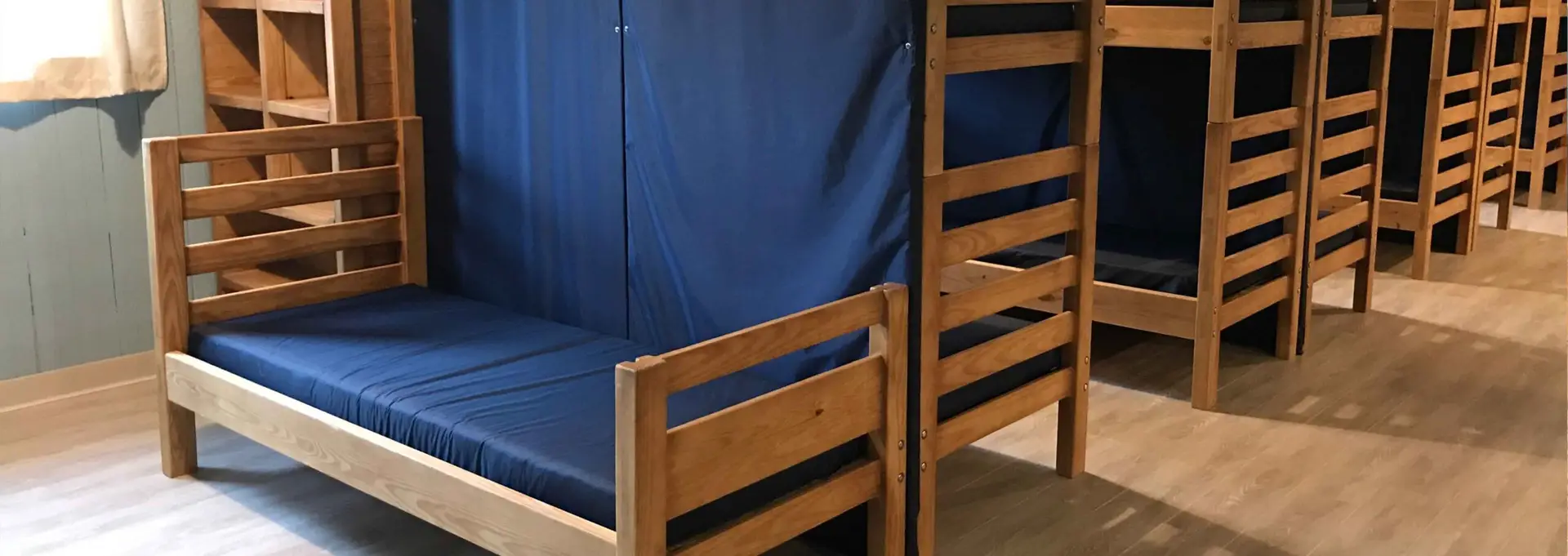
Anti-Ligature Furniture as Part of a Broader Safety Strategy
While furniture is a critical component of a safe facility, it works best when integrated into a wider safety plan. Anti-ligature furniture complements:
- Architectural design choices, like rounded corners and secure door hardware.
- Staff supervision protocols, ensuring proper use and oversight.
- Facility policies, including intake assessments and individualized safety planning.
Used strategically, safety furniture supports a calm, predictable environment. It reduces behavioral escalations and provides reassurance to staff and residents.
→ Key takeaway: Anti-ligature furniture is most effective when part of a holistic approach to institutional safety.
Usability and Dignity: Designing for the End User
One of the greatest myths about anti-ligature furniture is that it must look institutional or feel punitive. At Jess Crate, we know that comfort, usability, and dignity are just as important as safety.
We design anti-ligature furniture with:
- Smooth, approachable finishes that don’t feel cold or clinical.
- Comfortable proportions for everyday use.
- Subtle safety features that protect without dehumanizing.
In therapeutic environments, furniture design can support emotional regulation, privacy, and stability. The goal is to help individuals feel safe without feeling watched or restricted.
→ Key takeaway: Good anti-ligature design supports both safety and emotional well-being, reinforcing dignity and trust.
How Jess Crate Furniture Supports Anti-Ligature Safety Needs 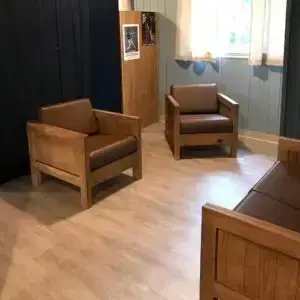
Jess Crate brings together the essential elements of security strength, and usability in every anti-ligature design. Our approach is grounded in the realities of institutional life. Here’s what sets our safetyfurniture apart:
- Ligature-resistant forms that prevent misuse while staying user-friendly.
- Fully welded construction and tamper-proof hardware for maximum durability.
- Materials like rotationally molded polyethylene and kiln-dried solid wood that hold up over years of use.
- Customization options that adapt furniture to the specific demands of your facility.
We partner with behavioral health providers, correctional institutions, and residential treatment centers to deliver institutional safety solutions that meet real-world demands without sacrificing long-term performance.
→ Key takeaway: Jess Crate combines anti-ligature features with durable institutional furniture design to meet high-stakes operational needs.
Choosing the Right Anti-Ligature Furniture for Your Facility
Not all anti-ligature solutions are created equal. Choosing the right pieces means weighing multiple factors:
| Consideration | Why It Matters |
| Risk level of the environment | Different settings require different levels of ligature resistance. |
| Durability needs | High-use areas demand long-lasting materials and construction. |
| Ease of maintenance | Simplifies cleaning and inspection routines. |
| Custom fit and layout | Enhances functionality and minimizes points of risk. |
| Total cost of ownership | Focuses on long-term value over upfront pricing. |
→ Key takeaway: Informed selection of anti-ligature furniture protects your budget, your team, and the people you serve.
Why Anti-Ligature Furniture Deserves a Seat at the Table
For institutions focused on safety, reliability, and care, anti-ligature furniture is an essential part of the environment. These thoughtfully designed pieces reduce risk, support well-being, and hold up toconstant use.
Jess Crate Furniture brings together safety engineering, long-lasting construction, and real-world usability to deliver furniture that institutions can rely on. Explore our selection of anti-ligature furniture — designed for high-risk environments and built to perform for the long haul.

Such a helpful read. It is reassuring to see how thoughtful design can balance safety and comfort in these settings. Thank you for the insight.