
Meeting the Demands of High-Traffic Shared Living 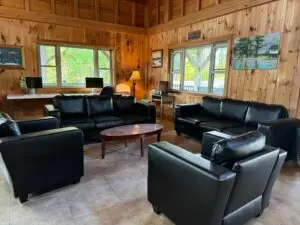
Shared spaces like dormitories, group homes, and seasonal camps come with unique challenges. These environments often feature:
- Limited square footage
- High occupancy with shared amenities
- A wide range of resident needs, including accessibility considerations
In student housing, beds and desks must withstand constant use and turnover. In group home furniture settings, accessibility and stability may take priority. Camp cabins face rougher wear, unpredictable layouts, and tight timelines.
Standard furniture often tries to do too much with too little precision. The result is overcrowded rooms, awkward layouts, and unusable corners. Tailoring furniture dimensions to the setting ensures each room is not only functional but also welcoming and efficient.
Key takeaway: Shared environments benefit from sizing that respects the realities of their use, something off-the-shelf pieces rarely achieve.
Comfort That’s Measured in Inches
A few inches might not seem like much, but in tight quarters, they change everything. Sleeping on a bed that’s either too short or overly bulky can impact rest. Drawers that bump into nearby walls frustrate both residents and staff. With custom-made furniture, each piece can be adjusted for better flow, proportion, and ergonomics.
Thoughtful sizing improves access for wheelchair users, supports varied body sizes, and creates natural walkways between furniture items. These seemingly small details support dignity, autonomy, and ease of movement — all of which shape how residents feel in the space.
Key takeaway: Comfort improves when furniture fits the people and the space, not just the budget.
Safety Starts with Fit and Flow
Safety concerns in group settings often stem from poorly sized furnishings. Narrow walkways, blocked exits, and overcrowded layouts introduce risks that go beyond inconvenience.
Risks of poorly sized furniture:
- Overcrowding that limits movement and visibility
- Blocked or narrowed emergency exit paths
- Layouts that restrict access for wheelchair users or others with mobility devices
With custom-size furniture, facility managers can maintain clear movement paths and design spaces that support compliance with institutional safety standards.
Custom sizing supports safer environments by:
- Preserving consistent walkways and egress routes
- Enabling stable furniture placement with proper spacing
- Reducing the risk of tipping, tripping, or misuse
Key takeaway: Right-sized furniture reduces risks by preserving clearances, improving access, and supporting safer daily routines.

Fitting More in, Without Sacrificing Comfort
In group housing, square footage is often fixed, but the need for flexibility is not. Space saving furniture like under-bed drawers, bunk beds, and wall-mounted units lets institutions make the most of tight layouts. But for these solutions to work, they need to be precisely sized to the rooms they serve.
Designing furniture that fits the exact measurements of a space eliminates the need for workarounds and reduces excess inventory. Well-planned layouts minimize clutter and create space for shared activities, improving both usability and aesthetics.
Key takeaway: When every inch counts, custom and space-saving designs help maximize functionality without crowding.
Precision Built at Home
Customization is only as good as the process behind it. With furniture made in the USA, teams can work closely with manufacturers to ensure accurate measurements, reliable timelines, and high-quality control. Domestic production also enables easier communication, faster revisions, and quicker delivery when timelines shift.
Jess Crate’s U.S.-based operations make it possible to craft pieces that meet exact specifications and stand up to years of institutional use. That means furniture that fits the space and lasts long enough to justify the investment.
Key takeaway: Domestic manufacturing strengthens the feedback loop between need, design, and delivery, making true customization achievable.
Tailoring to Different Types of Shared Living
From camp cabins with uneven floors to accessible dorm rooms and adult group homes with aging residents, each environment has different sizing needs. Younger residents may require lower-profile beds and built-in safety rails. Older adults may benefit from higher seat heights and clearer paths to navigate walkers or wheelchairs.
Custom-made furniture allows for these adjustments without sacrificing visual consistency or long-term durability. Designs can also adapt as a facility’s population changes, allowing for smarter reinvestment over time.
Key takeaway: Purposeful sizing supports different populations and provides long-term versatility as needs evolve.
How Jess Crate Builds Custom with Confidence 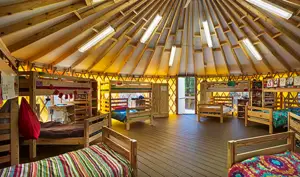
At Jess Crate, custom-size furniture is a core capability, integrated into every stage of the design and manufacturing process. Every piece is designed with the specific dimensions and constraints of your facility in mind, using durable materials suited for daily use in group settings. Our space-efficient layouts minimize waste and optimize flow, while handcrafted U.S. production ensures tight tolerances and long-lasting performance.
By pairing tailored design with durable construction, Jess Crate creates furniture that functions better, lasts longer, and supports the comfort and safety of those who use it every day.
Key takeaway: Jess Crate’s commitment to custom sizing reflects a deeper understanding of institutional needs and how people live in shared spaces.
Long-Term Benefits of Investing in Custom-Sized Furniture
Furniture that fits doesn’t just perform better—it wears better too. Properly sized items are less likely to be misused or damaged, leading to fewer repairs and longer product life. Residents are more satisfied, and staff spend less time troubleshooting awkward layouts or fixing minor issues. Over time, this translates to fewer replacements, easier room reconfigurations, and better planning across facilities. When layouts work from the start, teams can focus on service instead of setup.
Comparing Standard vs. Custom-Size Furniture in Group Living Spaces
| Factor | Standard Furniture | Custom-Size Furniture |
| Fit in Room Layout | Often misaligned or oversized | Tailored to exact room dimensions |
| Resident Comfort | Generic proportions | Sized for specific user needs |
| Accessibility | May restrict mobility paths | Designed for ease of movement |
| Safety | Risk of blocked egress paths | Clear walkways, proper clearances |
| Replacement Frequency | Higher due to wear or misuse | Lower due to better fit and durability |
| Upfront Cost | Lower | Slightly higher |
| Long-Term Value | Lower due to frequent issues | Higher through reduced replacement and improved satisfaction |
Key takeaway: Custom sizing pays off by reducing long-term costs, improving daily usability, and creating safer, more efficient environments.
Furnishing Shared Spaces That Work — and Last
Getting the size right lays the groundwork for a group living environment that truly works. With custom-made furniture built to the exact needs of the space, institutions can improve comfort, ensure safety, and use every square foot wisely.
Jess Crate brings decades of experience, furniture made in the USA, and a dedication to durable, tailored design that works where it matters most. For dorms, camps, and group homes, we help you create environments that are built to fit — and built to last.
Ready to explore custom-size furniture solutions for your facility? Contact Jess Crate Furniture to start designing furniture that truly fits your space, your residents, and your long-term needs.